
The Trumpet Shall Sound Works Best With a Calm Solo Cue
Worship Music & Hymn Resources
By Spiritrax Content Studio · June 1, 2026
Updated June 1, 2026
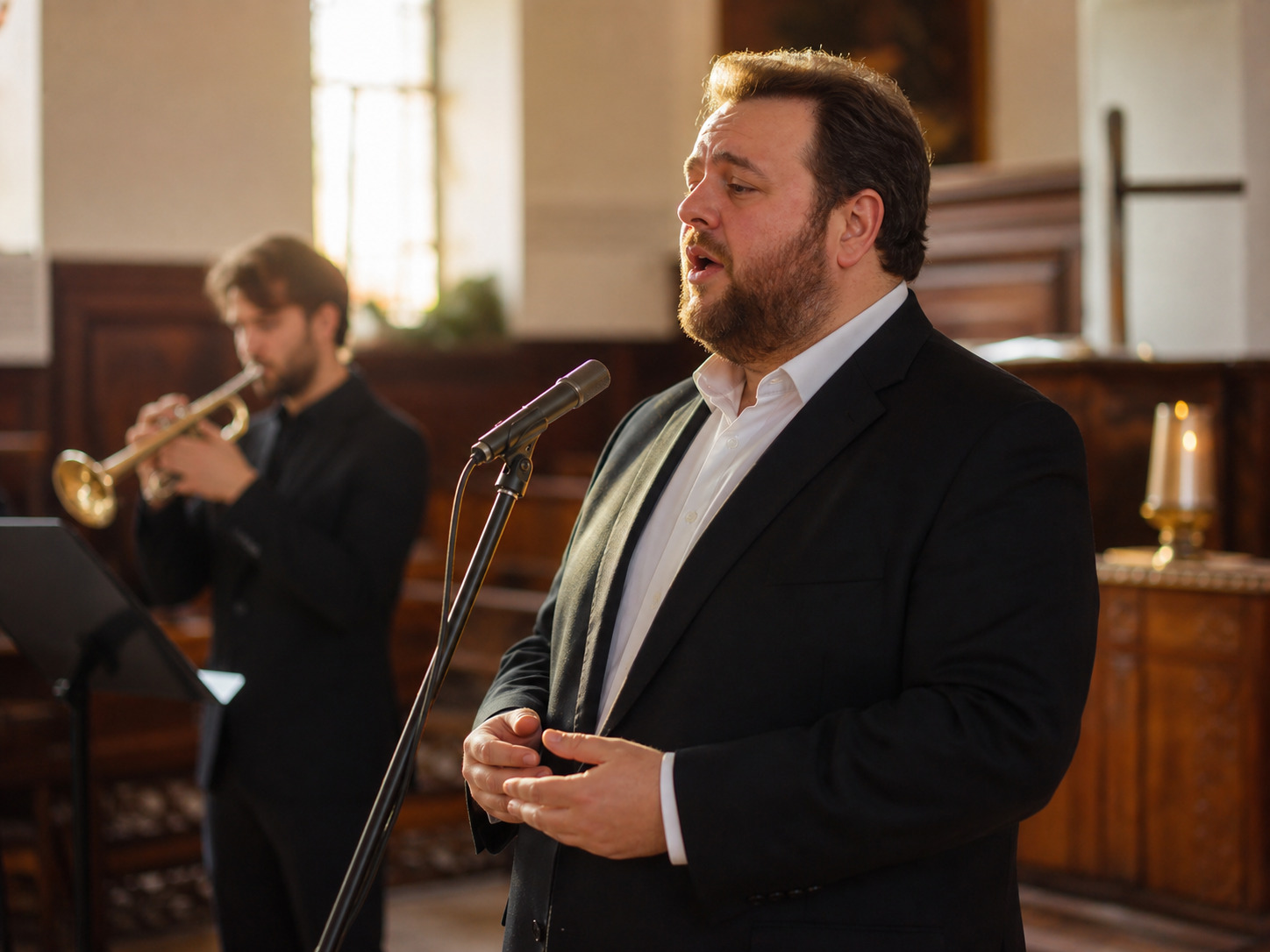
A Messiah solo can feel settled in the singer's memory and still become uncertain when the track begins. The entrance has to feel calm, the breath has to arrive before the first phrase, and the room needs to know whether the soloist, sound operator, or worship leader gives the cue.
For a church service, concert excerpt, recital, or seasonal program, the backing track should make the moment steadier. That means planning the cue, key, balance, and rehearsal flow before the soloist is standing at the microphone.
Spiritrax offers The Trumpet Shall Sound backing track as part of its Handel's Messiah catalog, with a performance-ready accompaniment option for singers and worship teams preparing the aria.
Start with the first cue
The first few seconds decide whether the soloist feels supported or rushed. Before rehearsing the aria, write down exactly how the track will start.
Answer these questions:
- Who starts playback?
- Does the soloist hear the introduction clearly?
- Is there enough time to breathe before singing?
- Will the trumpet line be live, recorded, or represented by the track?
- Does the worship leader or conductor need to give a visual cue?
A clear cue prevents the most common problem: everyone knows the music, but nobody owns the start.
Rehearse the aria like a service moment
"The Trumpet Shall Sound" can appear in concerts, recitals, Christmas programs, Easter planning, and worship services. The preparation changes depending on the room.
For a concert excerpt, the soloist may have more time and a listening audience. For a worship service, the aria may need to move naturally from scripture, prayer, or a spoken transition. For a memorial or reflective setting, the tempo and volume should support reverence rather than display.
Use the backing track in the same order the room will experience it:
- Spoken transition or introduction.
- Track cue.
- Soloist entrance.
- Final cadence.
- Silence, prayer, applause, or next service element.
That flow helps the sound team and worship leader prepare the whole moment, not just the notes.
Choose the key and balance around the singer
A strong bass or baritone solo still needs a comfortable track. Do not judge the key only by the highest or lowest note. Run the full excerpt and listen for breath, diction, and steadiness across the whole phrase.
Sound balance matters too. A Messiah accompaniment can feel full, and the solo line needs room. During sound check, test:
- the solo microphone level,
- monitor or speaker placement,
- whether the introduction is loud enough to cue the singer,
- whether the track covers consonants,
- and how the final note decays in the room.
If the singer has to push to get over the track, lower the track before changing the singing.
Build a simple rehearsal plan
A practical rehearsal plan does not need to be complicated. It needs to be repeatable.
Use this sequence:
- Listen once without singing and mark the first entrance.
- Speak the text in rhythm so consonants stay clear.
- Sing the first entrance three times with the track.
- Rehearse the full aria with the same playback device planned for the event.
- Add the spoken transition and final service handoff.
- Save the final file name and cue notes for the sound operator.
The goal is to remove surprise. By the time the service or concert begins, the soloist should know exactly what the first sound feels like.
When the full Messiah album helps
If your church, choir, school, or community ensemble is preparing more than one Messiah movement, the Complete Messiah album download can keep the planning organized. It gives directors and soloists one place to preview and prepare multiple movements instead of collecting files one at a time.
That is useful when a program includes a solo aria, a choir chorus, and a familiar congregational moment. One shared source reduces version confusion.
FAQ: The Trumpet Shall Sound backing tracks
Is The Trumpet Shall Sound usually a solo?
Yes. It is commonly prepared as a bass or baritone solo from Handel's Messiah. Some settings include trumpet prominently, so decide early whether that line is part of the track, played live, or handled another way in your program.
Can this aria work in a church service?
It can, when the placement fits the service tone and the transition is planned. Prepare the spoken lead-in, track cue, sound balance, and ending so the aria feels connected to the service rather than dropped in.
Should the soloist rehearse with the exact final file?
Yes. Rehearsing with the final backing track helps the singer learn the introduction, pacing, breaths, and ending. If the playback device or speaker system will change, test that setup before the event.
What if we need several Messiah movements?
Use the individual product page when the aria is the only piece needed. Use the Complete Messiah album when the program needs multiple arias, choruses, or seasonal excerpts prepared from the same collection.
A Messiah solo works best when the cue feels shared. Choose the final track early, rehearse the first entrance until it feels calm, and give the sound team the same file and notes the singer used in rehearsal.
Prepare The Trumpet Shall Sound with a Spiritrax Messiah backing track built for solo rehearsal, worship services, concerts, and dependable cue planning.
View The Trumpet Shall Sound