
Plan September 11 Music Around Reflection, Not Spectacle
Holiday & Special Occasion Music
By Spiritrax Content Studio · August 5, 2026
Updated August 5, 2026
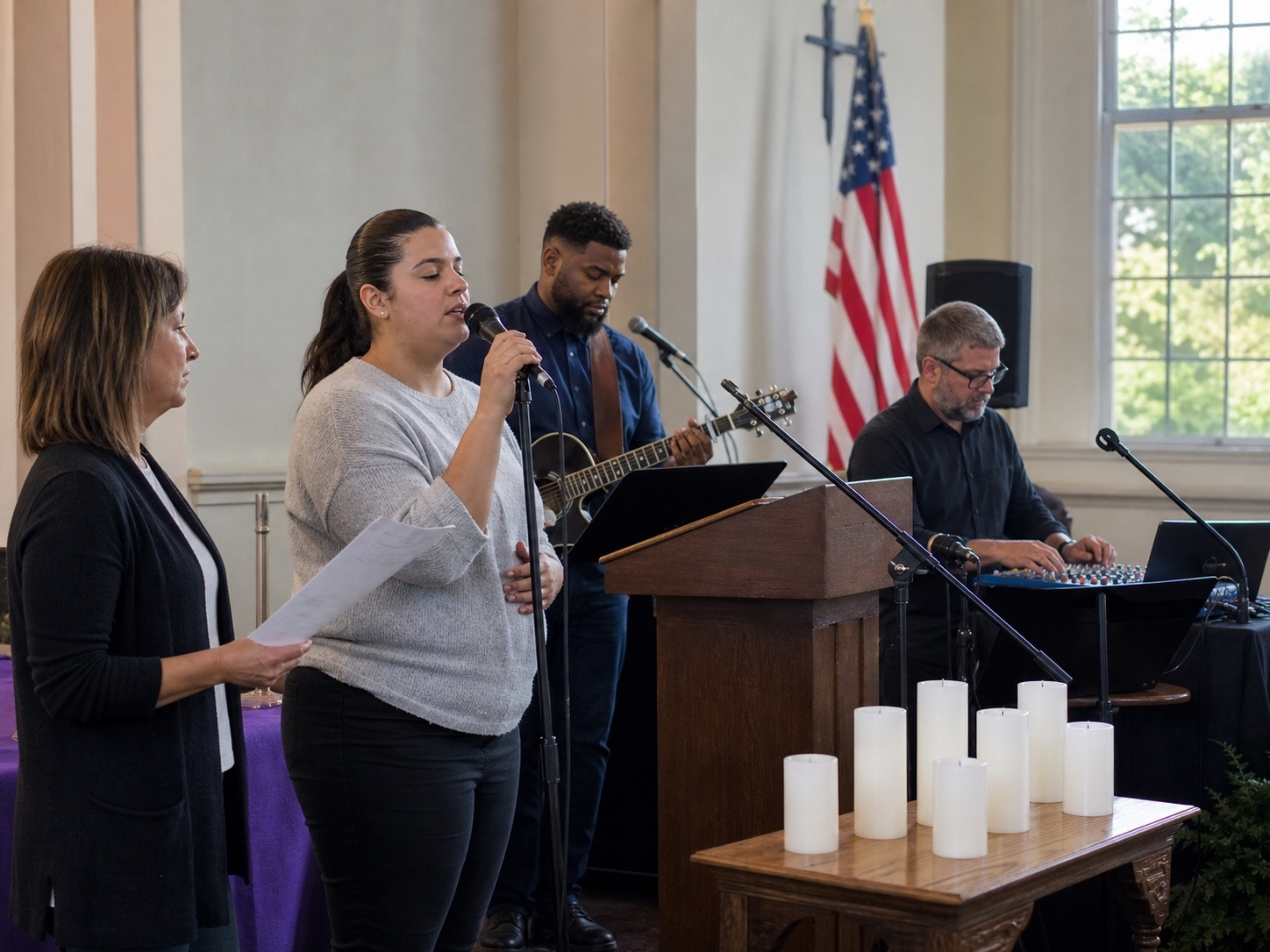
A September 11 remembrance service does not need music at every moment. It needs music that knows when to support the room and when to stop.
For the 25th anniversary in 2026, churches, chapels, schools, retirement communities, civic groups, and interfaith gatherings may be preparing prayers, readings, names, bells, moments of silence, or community service. A backing track can provide dependable accompaniment when the music team is small, but it should never rush remembrance or turn grief into spectacle.
Plan the silence first. Then decide where music can help.
What music is appropriate for a September 11 remembrance?
Choose music that supports reflection, lament, gratitude, service, peace, comfort, or hope without using the anniversary as a performance theme. Familiar hymns, quiet instrumental selections, and carefully framed patriotic songs can all work when they match the purpose and tradition of the gathering.
A simple plan may include:
- soft gathering music before the observance begins;
- one hymn, solo, or instrumental response;
- complete silence for names, bells, or a designated remembrance;
- quiet music after a reading or prayer;
- and a closing selection that points toward service, peace, or shared responsibility.
Not every event needs all five. The right plan may contain one song and several minutes with no music at all.
Begin with the people being remembered
September 11 can carry personal grief for victims' families, survivors, first responders, rescue and recovery workers, people affected by long-term illness, military families, and communities far beyond the attack sites.
The National September 11 Memorial & Museum's 2026 commemoration centers the reading of names by family members and seven moments of silence. Its planning guidance for local observances also emphasizes silence, bell tolling, and the reading of names.
That model offers an important music-planning lesson: remembrance is carried by people, names, and attention. Music supports those elements. It does not replace them.
Before selecting a track, ask:
- Who is gathering?
- Does anyone in the room have a direct connection to the attacks or their aftermath?
- Is the event primarily worship, civic remembrance, education, community service, or a combination?
- Who approves the service language and song choices?
- Which moments must remain completely silent?
These answers matter more than the size of the arrangement.
Build the order around silence
Put every planned silence into the service order before adding underscoring.
For each one, record:
- the exact purpose;
- who introduces it;
- whether a bell, name, prayer, or reading comes before it;
- how the silence begins;
- how it ends;
- and whether the next musical cue starts immediately or after a spoken transition.
Do not let a backing track continue beneath a moment that has been described as silence. A very quiet pad is still music. If the service promises silence, stop the track fully and leave enough time for the room to settle before the next cue.
The sound operator should not have to guess when reflection has lasted long enough. Give one leader authority to move the service forward.
Choose patriotic music with a careful frame
Patriotic music may fit a civic ceremony, school observance, retirement-community program, or church service, but the introduction should explain why the song is present.
Use language about remembrance, gratitude, peace, public service, care for neighbors, or shared responsibility. Avoid a celebratory frame that makes the anniversary feel like a rally or concert.
The Spiritrax Patriotic Backing Tracks collection includes familiar accompaniment options that can support solo, choir, congregational, school, or civic use. Select the title and arrangement that fit the approved event rather than assuming the largest orchestration is the most respectful.
For example:
| Service moment | Musical direction | Planning note |
|---|---|---|
| Gathering | Quiet instrumental or restrained familiar melody | Keep conversation and arrival possible |
| Opening response | Solo, choir, or shared hymn | Introduce the purpose before the track starts |
| Reading of names | Silence, bell, or very limited approved support | Keep every name intelligible; do not let music dictate pace |
| Prayer or reflection | Familiar hymn or gentle instrumental response | Choose a key and volume that leave room for words |
| Closing | Hopeful hymn or carefully framed patriotic song | Point toward service and community, not triumph |
This is a planning example, not a required liturgy. Follow the gathering's tradition, pastoral or program leadership, and the needs of people directly affected.
Let names and spoken words remain clear
A reading of names has its own rhythm. Some readers pause. Some names carry emotion. A fixed-length track can pressure the reader to move faster or leave the operator searching for a fade.
Silence is often the cleanest choice.
If approved music is used near a reading, rehearse the exact handoff:
- The preceding track ends completely.
- The room settles.
- The leader explains the reading.
- Names are spoken at a human pace.
- The final name is allowed to remain in the room.
- The next prayer, bell, or music cue begins only after the agreed signal.
Do not ask the operator to create a loop, extend a track, or improvise a fade while names are being read. If flexible underscoring is essential, prepare and approve a file with a known repeat point and an exact exit plan before the event.
Pick a key the live singer can carry calmly
A soloist should not have to push for high notes or disappear on low phrases during a remembrance service.
Test the full selection with the actual singer, not only the first verse. Listen for:
- breath becoming hurried because the key is too high;
- quiet words losing support at the bottom of the range;
- a chorus that grows larger than the room needs;
- an introduction that does not identify the first pitch clearly;
- and a final verse that requires more stamina than rehearsal revealed.
Choose the key that lets the singer communicate steadily. A familiar song can become difficult when emotion changes the breath plan, so rehearse the opening and final phrase more than once.
Spiritrax offers many backing tracks in multiple keys, and custom track services can help when an approved selection needs a different key, tempo, cut, cue, or ending.
Keep the arrangement smaller than the moment
The track should sit under the event, not announce itself as the main attraction.
During sound check:
- listen from the back of the room;
- keep spoken introductions fully intelligible;
- set the track below the live voice;
- check whether orchestral builds feel too large for prayer or names;
- confirm the first note is audible without being startling;
- and let the final chord decay before the next spoken line.
Avoid automatic applause cues, dramatic swells beneath grief, or a quick transition from silence into a bright arrangement. The room may need more time than the printed schedule suggests.
Prepare one approved cue sheet
Give the worship leader, reader, sound operator, and event coordinator the same plan.
Use a compact cue sheet:
| Cue | Trigger | File | Volume | Ending | Next step |
|---|---|---|---|---|---|
| M1 | Doors open | Approved gathering instrumental | Low | Full fade at welcome | Silence before opening words |
| M2 | Leader nods after prayer | Approved hymn in selected key | Under live voice | Full ending | Hold silence for five breaths |
| M3 | Closing introduction ends | Approved sending song | Rehearsed service level | Full button | No automatic applause cue |
Use clear filenames and remove older versions from the live playback folder. Keep an offline backup on a second tested device, but do not add extra tracks as last-minute options.
September 11 remembrance-music checklist
- Confirm the gathering's purpose, audience, and approval owner.
- Ask whether anyone present has a direct connection that should shape the plan.
- Put every moment of silence into the order before selecting music.
- Keep names, prayers, readings, and bells fully intelligible.
- Frame patriotic selections around remembrance, peace, service, or community.
- Choose familiar music from the gathering's own tradition.
- Test the key with the actual singer or choir.
- Use the smallest arrangement that serves the room.
- Give one person authority for every musical start and stop.
- Rehearse the handoffs into and out of silence.
- Use only approved files with clear names.
- Keep an offline backup on a second tested device.
FAQ: September 11 remembrance music
Should music play during a moment of silence?
No. If the service describes the observance as silence, stop the music completely. Use music before or after the silence only when it has been approved as part of the plan.
Are patriotic songs appropriate for a church remembrance service?
They can be, depending on the church's tradition and service purpose. Introduce them carefully and keep the focus on remembrance, prayer, peace, service, and care for neighbors rather than spectacle.
Can a backing track play under the reading of names?
Silence is often better because it lets every name be heard at a human pace. If leadership approves underscoring, use a flexible, rehearsed plan that does not rush the reader and has a precise ending cue.
How many songs should the observance include?
There is no required number. One gathering selection, one response, and one closing may be enough. Preserve time for names, readings, prayer, bells, and silence.
What makes a backing track suitable for remembrance?
Look for a comfortable key, clear introduction, restrained dynamics, predictable form, practical length, and an ending the operator can coordinate without interrupting the emotional pace of the room.
The takeaway
September 11 remembrance music should help people listen.
Center the people being remembered, protect every promised silence, keep spoken words clear, and choose arrangements that are smaller than the moment. A dependable backing track can support the service, but restraint is what allows remembrance to remain human.
Prepare a respectful remembrance with familiar accompaniment in practical keys and arrangements for worship, school, civic, or community settings.
Browse Patriotic Tracks