
Jewish Music Tracks Need a Service Plan, Not a Search Scramble
Holiday & Special Occasion Music
By Spiritrax Content Studio · June 25, 2026
Updated September 7, 2026
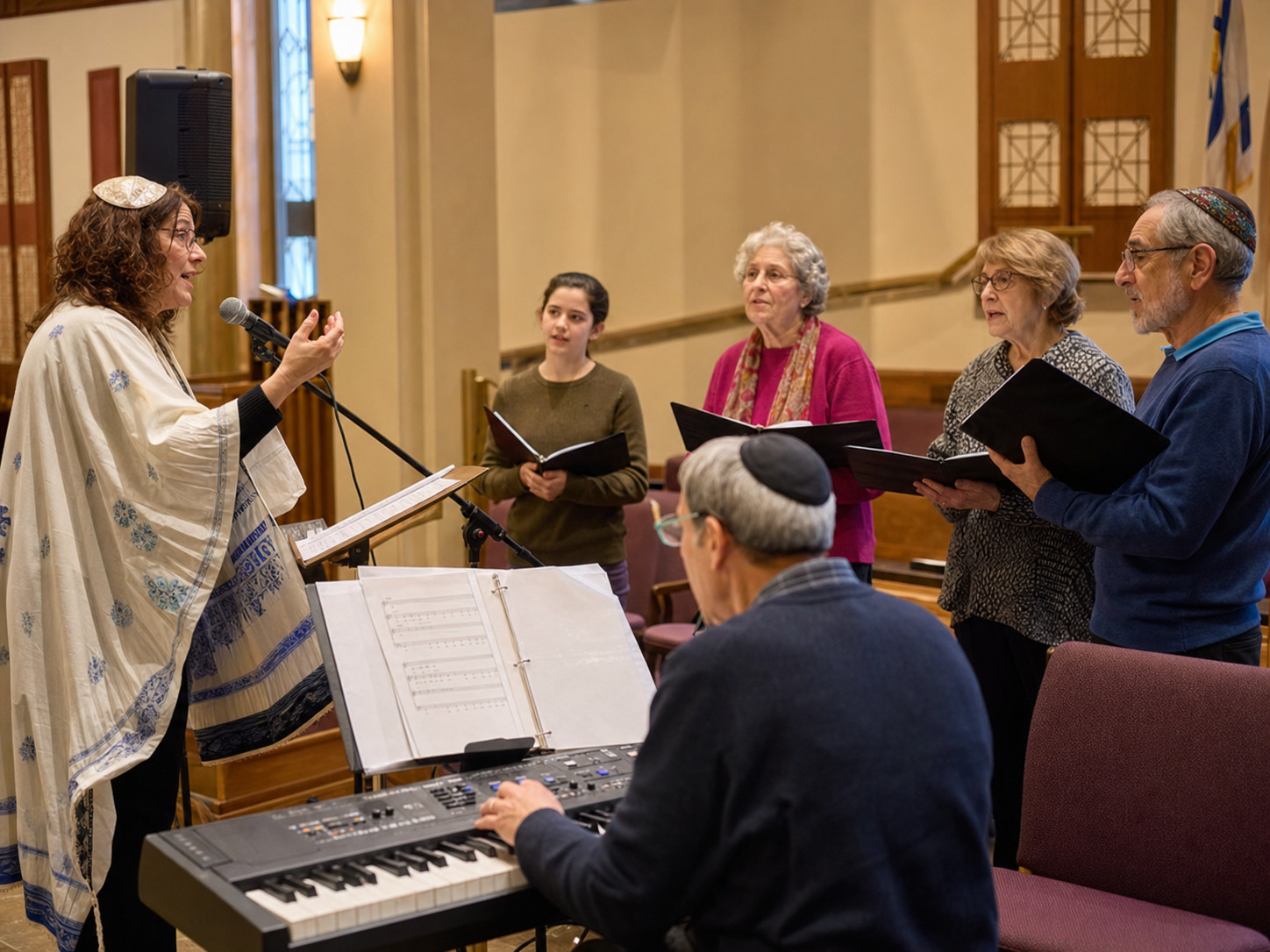
The hardest part of using music for a holiday, school program, synagogue event, or family gathering is often not finding one song.
It is making the songs work together.
A track that feels right for a soloist may move too quickly for group singing. A familiar melody may need a clearer introduction. A school or youth group may need more rehearsal support than a confident cantor or worship leader. A community program may need music that can be played through a simple speaker without a live accompanist.
That is why Jewish music backing tracks work best when they are planned as a small service or event set, not assembled in a hurry.
Start with the event purpose
Before choosing tracks, decide what the music needs to do.
It may need to:
- welcome people into the room,
- support a cantor or soloist,
- help a youth group learn a melody,
- give a family-friendly event a clear musical shape,
- provide a Chanukah or Passover song set,
- support school, family, or community programming,
- create a reflective moment without requiring a live accompanist.
The right track depends on the job. A lively group song, a prayerful solo, and a classroom rehearsal all need different energy.
Match the key to the people singing
Traditional songs are familiar, but that does not mean every version sits comfortably for every singer.
For a soloist, choose the key that lets the line stay steady and unforced. For a group, choose a range that ordinary voices can join without strain. For children or youth groups, keep the melody secure and the tempo easy to follow.
If the track will be used more than once, write down the chosen key and keep it with the rehearsal notes. That makes future events easier to prepare.
Give singers a clear entrance
Many track problems are cue problems.
The sound operator presses play, the introduction goes by quickly, and the singer enters late because no one agreed on the first sung phrase. Solve that before the event.
A simple cue note can include:
- the song title,
- the track version or key,
- the first sung words or musical entrance,
- whether the leader gives a visual cue,
- volume level,
- ending, fade, or stop instruction.
If a volunteer or staff member is running sound, make the notes plain enough that they can follow them without reading music.
Use a collection when the event needs flexibility
One-off downloads are useful when you know the exact song you need. A collection is more useful when the program may shift, the same group sings across multiple occasions, or you want a rehearsal library ready before the calendar gets busy.
The Spiritrax Ultimate Jewish Music Accompaniment Collection includes traditional songs for Chanukah and Passover, with accompaniment tracks, sheet music, and selected demonstration versions. That gives a cantor, teacher, worship leader, or family program planner more than one option when the set needs to change.
A collection also helps avoid the common last-minute problem: finding a track for one song, then realizing the next song needs a different key, tempo, or rehearsal reference.
Keep rehearsal and event files separate
If the track includes a demonstration or guide version, use it for learning. When the event gets closer, rehearse with the accompaniment track that will actually be used.
Keep folders simple:
- Learning demos
- Accompaniment tracks
- Event playlist
- Backup files
Only the final event playlist should be used during the program. Old drafts and alternate versions should stay out of the playback folder.
Plan for room and sound system realities
A synagogue, chapel, classroom, auditorium, retirement community, and family event space will all treat sound differently.
Before the event:
- test the track through the actual speaker or sound system,
- check whether the leader needs a microphone,
- make sure the first entrance is audible,
- keep the accompaniment supportive, not overpowering,
- confirm the device can play offline if Wi-Fi is unreliable,
- have a backup copy available.
The track should make the leader feel supported, not locked into a performance that ignores the room.
Build a small running order
Even a short event benefits from a written order.
Include:
- opening or gathering music,
- leader or cantor cue,
- group song,
- reflective or prayerful moment if appropriate,
- closing or sending song,
- backup track if the room needs a change.
That shape keeps the music from feeling random and helps the sound operator know what is coming next.
Respect the setting
Jewish music can serve many settings: worship, school, family, interfaith, civic, and community events. The right tone depends on the people in the room and the occasion.\n\nFor a Yom Kippur plan centered on one specific opening moment, use the Kol Nidre rehearsal guide to plan the introduction, key, playback cue, and quiet ending with the congregation’s leaders.
Avoid turning every track into a performance moment. Some songs need energy and participation. Others need space, clarity, and restraint. The best accompaniment track is the one that helps the group sing or listen with confidence.
FAQ: Jewish music backing tracks
Can backing tracks support synagogue or community events?
Yes, backing tracks can support a cantor, song leader, soloist, youth group, school program, or community event when the key, cue, sound setup, and event context are planned ahead.
When is a collection better than one track?
A collection is useful when you need several songs, want flexible programming options, or expect to reuse the music across holidays, rehearsals, or community events.
Should singers rehearse with a demonstration version?
Use demonstration or guide versions for learning when available, then rehearse with the accompaniment track before the event so singers know exactly what they will hear.
What should the sound operator know?
Give the operator the final playlist, track names, keys, start cues, volume notes, ending instructions, and a backup file location.
The takeaway
A useful track plan makes the music feel calm before anyone sings.
Choose keys for real voices, write simple cue notes, separate learning files from event files, test the sound system, and keep a flexible set ready for the moments your community actually needs.
Ready to build that library? Explore the Spiritrax Ultimate Jewish Music Accompaniment Collection for traditional Chanukah and Passover songs, accompaniment tracks, sheet music, and demonstration versions.