
Jewish Holiday Songs Backing Tracks
Holiday & Special Occasion Music
By Spiritrax Content Studio · March 4, 2026
Updated March 24, 2026
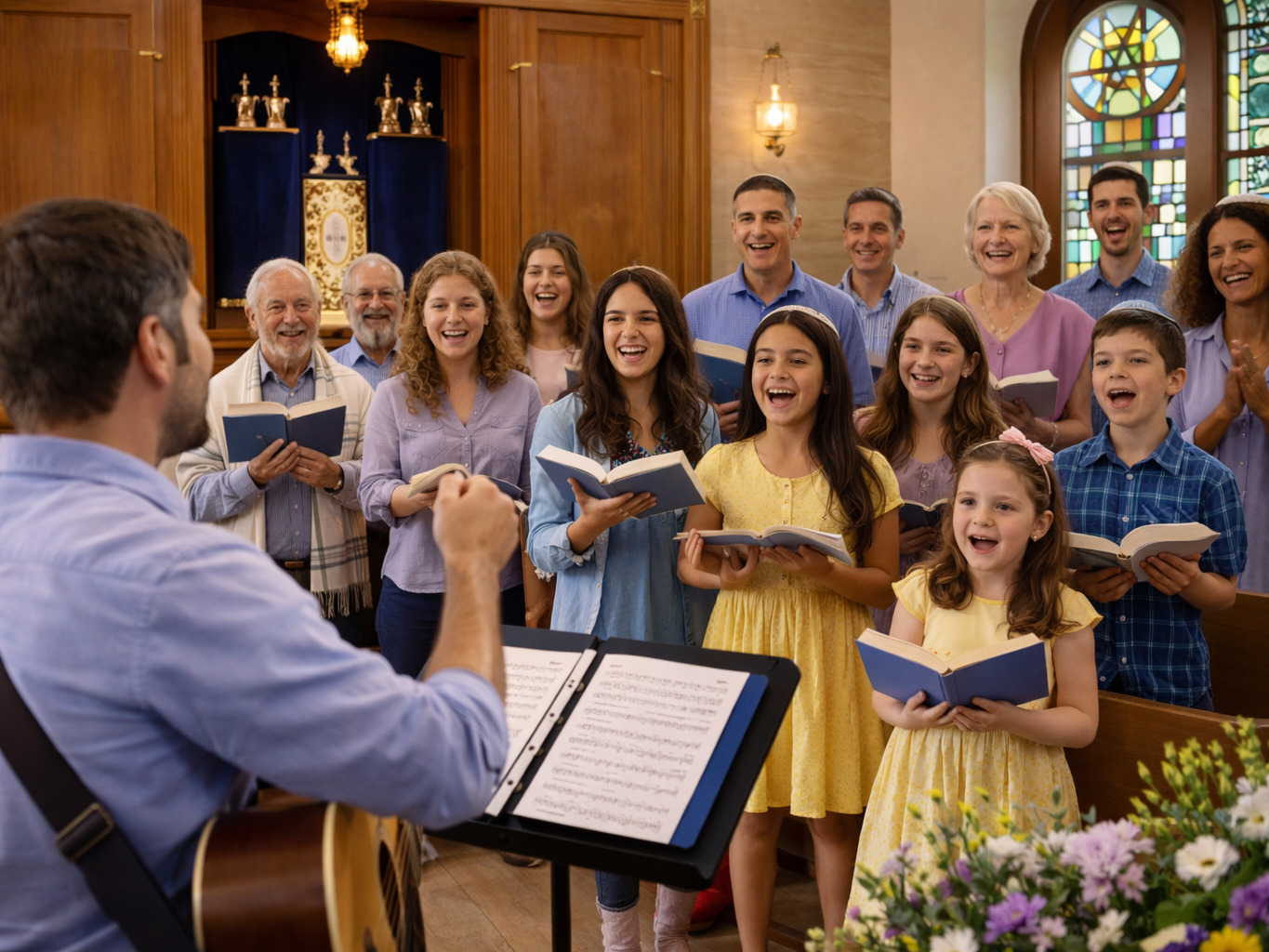
Your Spring 2026 calendar fills fast with Purim, Passover, and Shavuot. Community events and memorial days come quickly too. A smart plan and steady backing tracks help everyone lead each moment, even with a small or volunteer team.
The simple goal this season: pick singable keys, set clear cues, and build one playlist you can use for services, school, and livestreams. This way, your team hears the same count-ins, your readers know the holds, and your congregation feels safe singing.
Purim Songs
Purim sets a bright tone. Keep it clear and fun. Short intros help kids and families jump in on Shoshanat Yaakov and Al Hanissim. Use lively grooves but keep tempos steady so clapping and lyrics stay together. If you stage a spiel, use endings that let you change scenes without dead air. Pick midrange keys for group singing and save higher keys for solos.
Passover Care
Passover needs special attention. The Seder is one of the most observed Jewish rituals. About two-thirds of U.S. Jews take part in a Seder each year (Pew Research Center). People want to sing Dayenu, Ma Nishtana, Adir Hu, Avadim Hayinu, Eliyahu Hanavi, and Chad Gadya. Keep Dayenu and Adir Hu in a comfortable middle range so everyone can join. Set Ma Nishtana in a child’s range if a young soloist leads. Use short intros to help families jump in right away. For teaching, use guide-vocal versions to help children and new singers. You can mute this for the actual Seder. If you build lyric slides, follow common Seder song structures so everyone knows what to expect (My Jewish Learning).
Yom HaShoah
Yom HaShoah requires a different approach. Choose sparse sounds and slow tempos. Songs like El Malei Rachamim, Ani Ma’amin, and the Partisan Hymn (Zog Nit Keyn Mol) are used in many memorial programs (Yad Vashem). Plan for silence after prayers. Keep count-ins private and avoid loud percussion. Use strings or piano to support the voice without pulling focus.
Yom HaZikaron & Yom HaAtzmaut
Plan carefully for Yom HaZikaron and Yom HaAtzmaut. Start with quiet memorial songs like Eli Eli or a simple niggun. Keep things light. Then move to Hatikvah and celebratory songs like Yerushalayim Shel Zahav or Al Kol Eleh. Use related pieces in compatible keys to make the shift from mourning to joy feel smooth. A half-step change or a short spoken note can mark the transition.
Lag BaOmer & Shavuot
Lag BaOmer and Shavuot invite fun and song. For bonfire singalongs or school events, use cheerful but steady tracks. During Shavuot services, match light sounds with Torah moments like Eitz Chayim Hi and V’zot HaTorah. For late-night study (Tikkun Leil Shavuot), simple piano or string sounds work well. Choose melodies that let singers breathe and pronounce clearly when including songs on Na’aseh Venishma or Akdamut.
Plan the season once and reuse the same cues everywhere.
Backing Track Best Practices
A few best practices save time. Choose congregational keys and steady tempos. Use two-bar count-ins and make sure pickups are clear in monitors. Have two versions handy when helpful: one with guide vocals for practice and one without for services. For Hebrew, use tracks with natural syllable stress. Make sure your transliteration aligns with bar lines so readers don’t rush syllables.
Build a master playlist from Purim to Shavuot. Keep your count-ins the same across the list to help volunteers feel at home. For spiels, print cue sheets with scene numbers and notes for vamping or fading. For Seders, prefer short intros and clear refrains so everyone can join fast. For memorials, note silent pauses after each prayer.
Simple Timeline
Use a timeline to stay calm. Lock your set lists four to six weeks out. Confirm keys for your cantor and child soloists. Three to four weeks out, secure backing tracks and print lyric sheets. One week out, run a full program with your MC or readers so transitions feel natural. Two days before the event, do a final cue-to-cue to test counts and endings.
Audio and Livestream Tips
Details matter. Send click and count-offs only to in-ears. Keep the house mix natural so everyone can hear themselves sing. In sanctuaries, prefer piano and strings. In school events, a light rhythm section can add energy without speeding things up. When using stems, lower percussion in quiet parts. Test Hebrew consonants for clarity over the PA.
When building your library, you can browse a focused set of Jewish festival standards at Ultimate Jewish Music Accompaniment Collection. If you need a local melody, a bilingual medley, or adjustments to key and tempo, start a request at Custom Tracks.
With a clear plan and steady cues, small teams can carry a full season. Purim dances, Seder songs, memories honored, and Shavuot celebrated. Set the keys, trust the count-ins, and let your community sing together.
Plan Spring 2026 services faster. Browse Purim, Passover, Yom HaShoah, and Shavuot accompaniments with guide vocals and ready-to-sing keys.
Find TracksPlan Spring 2026 services faster. Browse Purim, Passover, Yom HaShoah, and Shavuot accompaniments with guide vocals and ready-to-sing keys.
Find Tracks