
How Great Thou Art Backing Track for Worship Services and Soloists
Worship Music & Hymn Resources
By Spiritrax Content Studio · May 6, 2026
Updated May 6, 2026
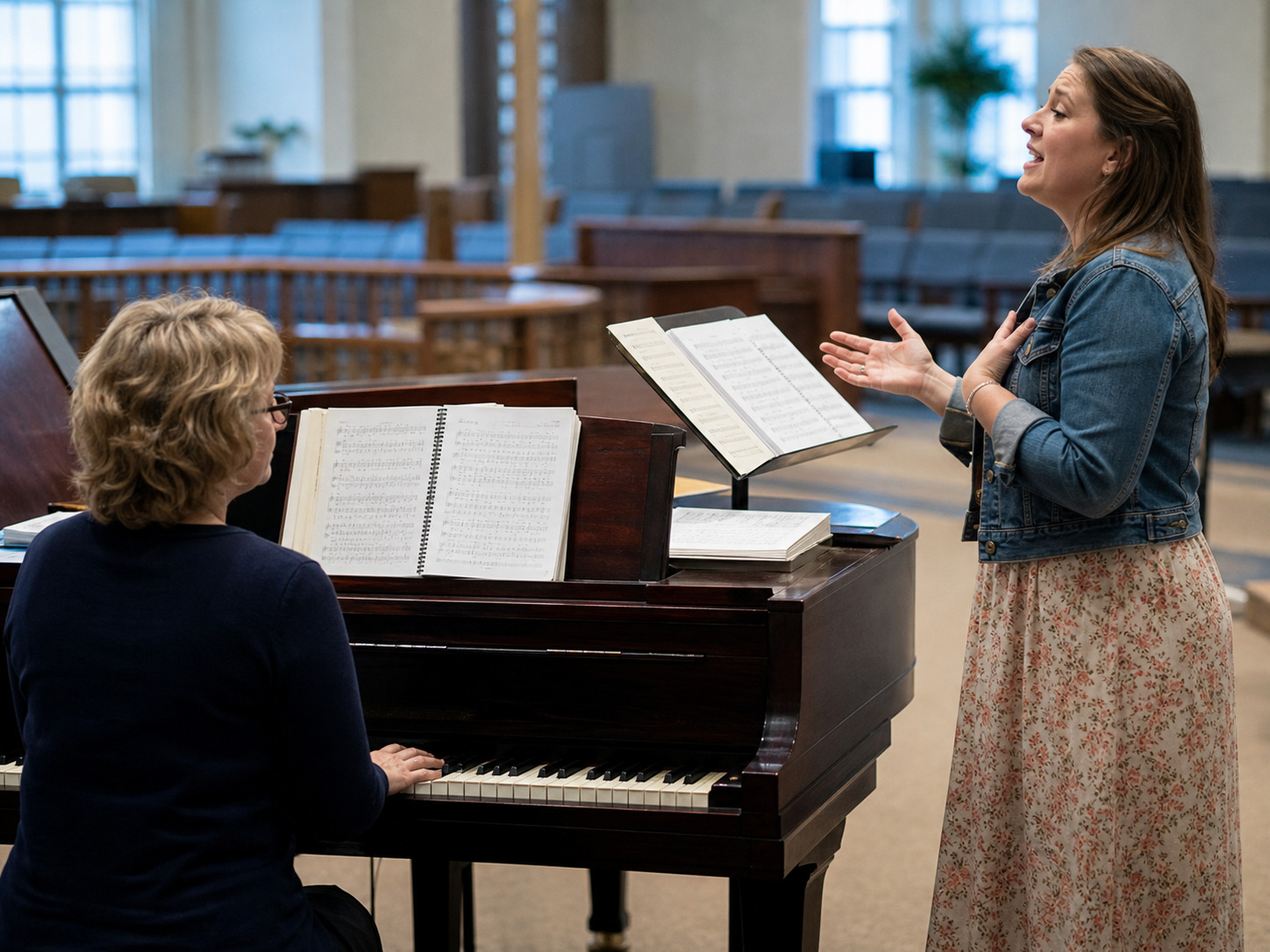
"How Great Thou Art" carries a different kind of weight in a worship service. It can be a congregational hymn, a solo, a memorial selection, a patriotic-service meditation, or a quiet response after a sermon. The backing track should support that moment without pulling attention away from the text.
For most churches, the goal is simple: choose an arrangement that gives the singer a clear introduction, a steady tempo, enough space to breathe, and a final verse that can land with reverence. If the track feels too rushed, too theatrical, or too low for the soloist, the song can lose its pastoral center.
Spiritrax offers hymn accompaniment resources for worship leaders, cantors, soloists, and church musicians. If you are planning this specific hymn, start with the How Great Thou Art backing track and confirm the key, length, and performance plan before service day.
When How Great Thou Art works best
"How Great Thou Art" is flexible because it can serve several worship moments:
- A solo before or after the sermon.
- A congregational hymn with a clear lead singer.
- A memorial or celebration-of-life selection.
- A patriotic or community service reflection.
- A choir feature with one verse carried by a soloist.
- A recorded devotional, livestream, or service video.
The text moves from awe to testimony. That means the arrangement should not only be singable. It should leave room for the worship meaning to unfold.
Choose the right key first
The most common planning mistake is choosing a key because it sounds impressive for the first verse. The better test is the last verse.
Ask the soloist to sing the strongest phrase near the end of the song after a full run. If the high notes feel forced, the key is probably too high. If the low phrases disappear, the key may be too low for the room or microphone. A good worship key lets the singer keep the text clear from beginning to end.
For congregational use, choose a key that ordinary voices can join without strain. For a solo, choose the key that lets the singer sound prayerful, not merely powerful.
Rehearse the entrances and breaths
A backing track gives the service team a fixed structure. That is helpful, but only if everyone knows the landmarks.
Before Sunday, mark:
- The exact pickup or entrance after the introduction.
- Any held notes at the ends of phrases.
- Where the soloist should breathe before long lines.
- Whether the final verse grows in volume or stays intimate.
- The ending cue for the sound operator, accompanist, or worship leader.
If the track has a full introduction, practice waiting for it. If it has a shorter intro, make sure the singer does not enter late from habit.
A simple service plan
Use this if "How Great Thou Art" is a solo feature.
Before rehearsal Confirm the key, track version, and whether the song will be one verse, two verses, or the full arrangement.
First run Let the singer sing through without stopping. Listen for breath pressure, lyric clarity, and whether the tempo feels worshipful.
Second run Fix entrances and phrase endings only. Avoid over-coaching style before the structure is secure.
Sound check Balance the track below the vocal. The accompaniment should feel supportive, not dominant.
Service cue Decide who starts the track and who gives the visual cue. A simple nod is often enough when everyone knows the intro.
Solo, choir, or congregation?
For a soloist, use the backing track as a steady partner. The singer should shape the text naturally, but still respect the track's tempo and ending.
For a choir, assign one person to lead entrances during rehearsal. If the choir is singing in unison, keep diction together and avoid rushing through repeated phrases.
For congregational singing, consider having a worship leader or cantor sing the first phrase clearly. The congregation will follow the confidence they hear.
Quick FAQ
Can I use a backing track for How Great Thou Art in a church service? Yes, backing tracks are commonly used for worship services, solos, and special music. Make sure your church has the appropriate permissions for your specific use, especially for livestreams, recordings, or posted videos.
What key should I choose for How Great Thou Art? Choose the key that lets the singer finish the strongest verse with clear words and a relaxed tone. Test the end of the song, not only the opening line.
Should the congregation sing along with a solo backing track? Only if the arrangement and key support congregational singing. Some tracks work better as solo features, while others can support a led congregational moment.
A strong "How Great Thou Art" backing track does not need to draw attention to itself. It should give the singer confidence, help the service flow, and let the hymn speak with clarity.
Prepare a clear, reverent solo with Spiritrax hymn accompaniment for worship services, memorials, and special music.
Find How Great Thou Art