
How Great Thou Art Backing Track for Church Services and Soloists
Worship Music & Hymn Resources
By Spiritrax Content Studio · May 14, 2026
Updated May 14, 2026
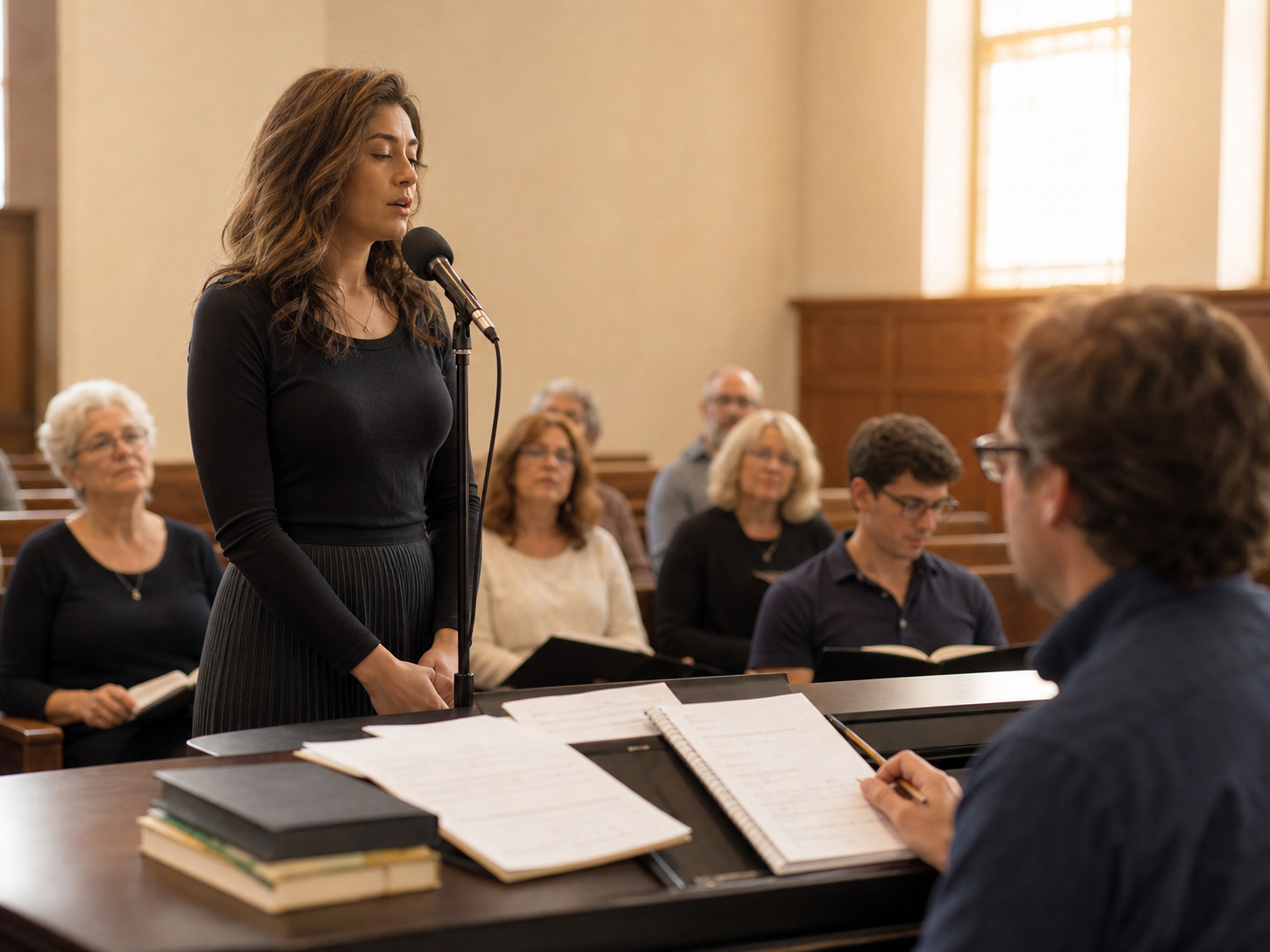
How Great Thou Art can fill a sanctuary, but it should never feel forced. The hymn needs space for the words, a key that lets the singer finish well, and an accompaniment that supports the moment without pulling attention away from the message.
A backing track can help when there is no pianist available, when a soloist needs a steady rehearsal reference, or when a choir or worship leader wants a full arrangement without assembling a band for one service. The key is to choose the track thoughtfully and prepare the cue before the congregation is in the room.
Spiritrax offers a How Great Thou Art backing track in multiple keys, arranged for solo performance or choir use. Use it as a practical tool: choose the right key, rehearse the first entrance, and sound-check the actual playback setup.
Decide what role the hymn plays
How Great Thou Art can work in several parts of a service, but the preparation changes depending on the role.
It may be:
- a solo during worship;
- a choir feature;
- a hymn for a funeral or memorial service;
- a special music selection for a holiday, revival, or testimony service;
- a rehearsal track for a singer preparing at home.
If the hymn is the emotional center of the service, keep the arrangement steady and the introduction clear. If it is part of a larger worship set, make sure the key, tempo, and ending do not fight the songs around it.
Choose the key around the singer
The most common mistake is choosing the key from memory. A congregation may know the hymn, but a soloist still has to sing the final phrases with control.
Before choosing the track key, test:
- the lowest phrase;
- the highest phrase;
- the final verse or final refrain;
- breath points after any emotional build;
- whether the singer can still shape the words, not just reach the notes.
Spiritrax's How Great Thou Art track is available in multiple keys, which gives soloists and worship leaders practical room to match the arrangement to the voice.
For a funeral or memorial service, comfort matters even more. The singer may be emotional, the room may be quiet, and the words need to come through clearly. Pick the key that lets the singer communicate the hymn, not the key that sounds most impressive in rehearsal.
Rehearse the entrance and the ending
A backing track is only helpful if the singer knows when to come in. How Great Thou Art often begins with enough musical space that the first entrance can feel exposed. Do not leave that moment to instinct.
During rehearsal, mark:
- the exact cue before the first word;
- whether the singer starts after a full phrase, a pickup, or a clear downbeat;
- where the arrangement builds;
- whether the ending is held, cut off, or allowed to ring;
- who stops the track if the service changes.
If a choir is singing, rehearse cutoffs and consonants with the track. A full accompaniment can make a group feel supported, but it can also hide unclear releases until the room is larger and more reverberant.
Sound-check in the real space
Do not judge a backing track from laptop speakers. A sanctuary, chapel, funeral home, school auditorium, or fellowship hall will change how the arrangement feels.
Before the service, test the exact device, cable or Bluetooth path, volume, monitor level, microphone balance, and who will press play. Start the track from the beginning and rehearse the first vocal entrance at service volume.
For sensitive services, keep the playback workflow simple. One clear cue, one prepared file, and one responsible person are better than a complicated setup that depends on last-minute troubleshooting.
When a backing track is the right fit
A backing track is useful when the service needs consistency, when a pianist is unavailable, when a soloist is preparing independently, or when a choir needs a fuller arrangement than the room can provide live.
It may not be the right fit if the service needs flexible pacing, extended congregational singing, or spoken prayer woven through the song. In those cases, a pianist or live worship leader may give the room more space. The right choice is the one that serves the text and the people present.
FAQ: How Great Thou Art backing tracks
Can How Great Thou Art be used at a funeral or memorial service?
Yes, the hymn is commonly chosen for funeral and memorial contexts. Choose a comfortable key, rehearse the cue carefully, and make sure the arrangement supports the tone of the service.
What key should I choose?
Choose the key around the singer, not the recording you remember. Test the highest phrase, the lowest phrase, and the final verse before deciding.
Should a choir rehearse with the exact backing track?
Yes. Choir entrances, cutoffs, and balance can change when the accompaniment is fixed, so rehearsing with the performance track helps avoid surprises.
The takeaway
How Great Thou Art works best when the track supports the message quietly and reliably. Choose a singable key, rehearse the entrance, sound-check the actual room, and use the Spiritrax backing track as a steady foundation for worship, solo, choir, or memorial service use.
Download How Great Thou Art in a singable key for worship services, solos, choirs, and special church moments.
View How Great Thou Art