
Hail to the Chief Needs the Right Cue, Not a Bigger Moment
Holiday & Special Occasion Music
By Spiritrax Content Studio · July 7, 2026
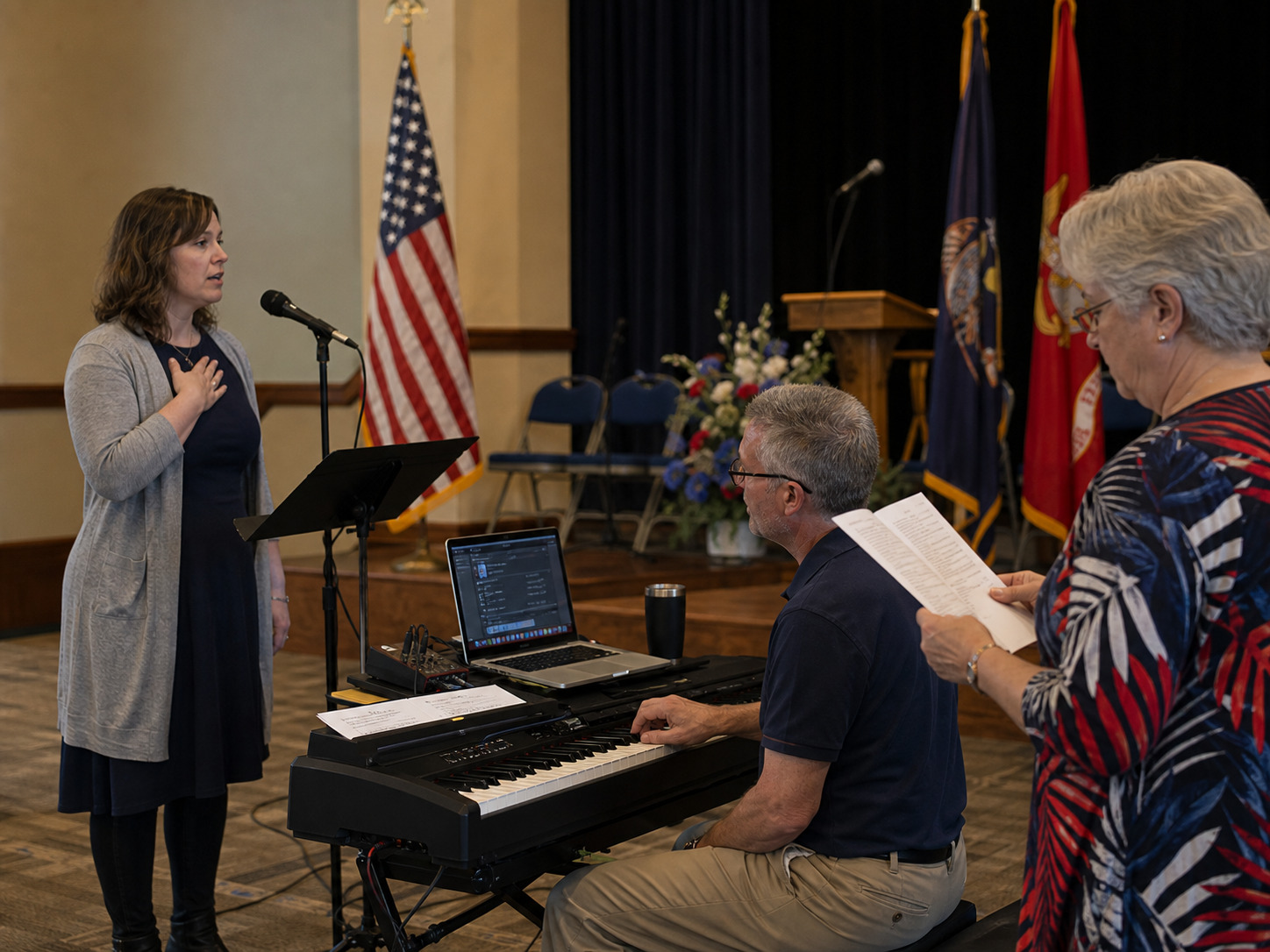
A short ceremonial fanfare can feel simple until the room has to time it.
The entrance may depend on a speaker, honoree, color guard, school administrator, veteran, guest official, or community leader. The track may need to start after an introduction, stop before remarks begin, or sit under a transition without making the moment feel oversized.
For patriotic programs, civic gatherings, schools, churches, and community events, the most useful plan is not louder music. It is a clear cue.
Decide what the cue is announcing
Before choosing playback, decide what the music is doing in the program.
| Ceremony moment | Track role | Playback note |
|---|---|---|
| Formal entrance | Signal the arrival clearly | Start only when the person is ready |
| Processional | Support movement | Confirm walking distance and timing |
| Program opening | Set a civic tone | Keep volume controlled before speech |
| Recognition moment | Mark the transition | Use a short excerpt if the full track is too long |
| Recessional | Close with energy | Plan the stop or fade before the room talks over it |
That decision keeps a short instrumental track from taking over the event.
Use a short track with a written cue
Hail to the Chief is a formal, recognizable patriotic cue. Spiritrax lists it as a short instrumental fanfare suitable for patriotic events, which makes it useful when the program needs a clear entrance signal rather than a full song.
The playback operator should know:
- who gives the start cue;
- whether the track begins before or after the person moves;
- whether the full track plays or only an excerpt;
- whether the ending should stop, fade, or continue until the person is in place;
- who speaks immediately after the music ends.
Write that into the program order. Do not leave it as a verbal note five minutes before the event.
Keep the volume ceremonial, not theatrical
Patriotic music can become too large for the room quickly. A track that sounds exciting through laptop speakers may overpower a sanctuary, gym, fellowship hall, auditorium, or retirement-community room.
During sound check:
- test the track through the actual speaker system;
- check volume from the back of the room;
- confirm the microphone level for the person speaking afterward;
- make sure the track does not cover spoken names or instructions;
- decide whether applause will happen over the ending.
The best volume supports the room without forcing everyone to react to the sound system.
Match the track to the rest of the program
If the ceremony includes several patriotic pieces, use each one for a distinct purpose. The Spiritrax Patriotic Collection can support a broader program, while a single Hail to the Chief backing track can solve one formal entrance or recognition moment.
A practical patriotic set might use:
- a quiet prelude or gathering track;
- a national anthem or opening song;
- Hail to the Chief for a formal entrance or recognition cue;
- a reflective piece for remembrance;
- a stronger closing or recessional.
That keeps each track from trying to do the same emotional job.
Prepare the operator like part of the program
The person running playback needs the same clarity as the person speaking.
Give them:
- the final MP3 download;
- a backup copy on a second device;
- a printed or shared order of service;
- track titles exactly as they appear on the device;
- start, stop, and fade notes;
- microphone notes for the speaker who follows;
- a rehearsal run with the person giving the cue.
If the event has no dedicated sound operator, assign one person to own playback. Do not make the speaker, soloist, or organizer do it from the podium.
When customization helps
Sometimes the track is right but the event needs a different use.
A custom adjustment can help if you need:
- a shorter excerpt;
- a specific fade point;
- a slightly different key or arrangement context for a sung patriotic set;
- a clean ending before remarks;
- a file prepared for a very specific processional length.
For simple ceremony use, the standard track may be enough. For a timed entrance or tightly scripted event, cue details matter.
FAQ: Hail to the Chief backing tracks
Is Hail to the Chief only for presidential events?
It is strongly associated with the President of the United States, so use it thoughtfully. In community, school, worship-adjacent, or civic settings, make sure the choice fits the tone and purpose of the program.
Should the full track always play?
Not necessarily. If the cue only needs to mark an entrance, a shorter excerpt or planned fade may work better than playing longer than the moment requires.
What should the sound operator know?
They should know the exact start cue, volume, whether to play the full track, where to stop or fade, and who speaks next.
The takeaway
A formal patriotic cue works best when everyone knows what it is announcing and when it should begin.
Choose the track, test the sound system, write the cue into the program, and give the playback operator a clear stop or fade plan before the room is full.
Use Hail to the Chief for a short, formal patriotic entrance cue, or browse the full Patriotic Collection for a complete ceremony plan.
Preview Hail to the Chief