
Use the Complete Messiah Album When the Service Needs More Than One Excerpt
Worship Music & Hymn Resources
By Spiritrax Content Studio · July 8, 2026
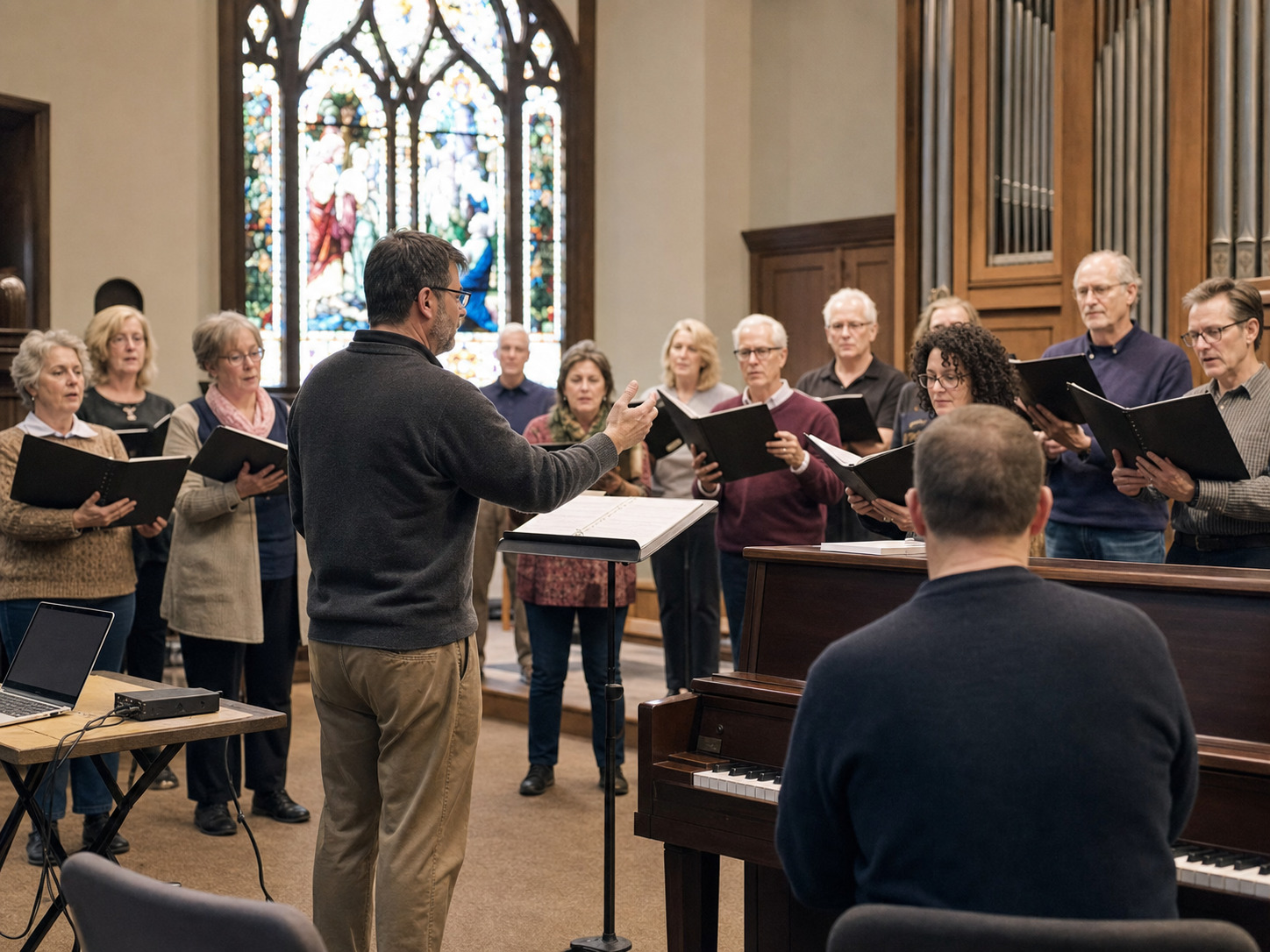
Messiah planning often starts with a search for one famous movement.
A choir director may look for the Hallelujah Chorus. A soloist may need an aria. A worship planner may be deciding whether a few excerpts can support Advent, Christmas, Lent, Easter, or a concert-style program. But once the plan includes more than one selection, the better question becomes whether the team needs a complete album path.
That decision can save rehearsal time and keep the music plan more coherent.
Match the search intent to the actual use
People search for Handel's Messiah in different ways because they have different jobs to solve.
| Search phrase | Likely need | Helpful route |
|---|---|---|
| Handel Messiah songs | Understand the available movements | Review the full collection path |
| Messiah song list in order | Plan sequence or excerpts | Use a complete album reference |
| Hallelujah Chorus backing track | Prepare one choir feature | Use the individual track if that is the only need |
| Messiah audio | Rehearse or plan listening reference | Choose the format that fits rehearsal |
| Complete Messiah download | Support a larger program | Start with the full album |
The right choice depends on whether the program needs one moment or a connected set.
When one excerpt is enough
An individual track can be the cleanest choice when the service or concert needs one focused selection. That may be a choir anthem, solo feature, prelude, postlude, or special music moment.
For one excerpt, focus on:
- the singer or choir's comfortable key and range;
- rehearsal time available;
- whether the ensemble needs a guide or accompaniment-only track;
- the service placement;
- how the track begins and ends around spoken elements.
That smaller plan keeps the music from becoming larger than the moment.
When the full album path is stronger
The Complete Messiah collection is a better starting point when the team is planning multiple selections, comparing movements, or building a broader program.
Consider the full album route when:
- the choir may sing more than one chorus;
- a soloist and choir are both involved;
- the music director wants a consistent reference across rehearsals;
- the program needs a planned sequence rather than isolated downloads;
- the team is still choosing which Messiah selections fit the service;
- the rehearsal folder needs to stay organized.
That does not mean every movement belongs in the service. It means the planning source is complete enough to make careful choices.
Keep worship context clear
Messiah excerpts can carry deep familiarity for congregations and choirs. They can also feel too formal if the program plan does not leave space around them.
Before placing a track, decide:
- whether the selection supports the worship theme or concert purpose;
- who introduces it, if anyone;
- whether the congregation listens, sings, or reflects;
- how much silence or spoken transition follows;
- whether the track should lead into prayer, scripture, offering, or closing music.
That context keeps the recording from feeling like an interruption.
Build a rehearsal folder before the first run-through
For choir and soloist preparation, organization matters as much as the track choice.
Create folders for:
- listening references;
- choir rehearsal tracks;
- soloist rehearsal tracks;
- accompaniment-only performance files;
- program-order notes;
- any custom key, tempo, or structure requests.
If the team uses only individual downloads, name them clearly. If the team uses the full album, mark which tracks are being rehearsed for the current program.
Use custom support only for a specific musical need
Some Messiah use cases can work from an existing track. Others need a different key, tempo, excerpt length, or performance shape. When that happens, a custom track request is most helpful when it explains the musical reason.
Useful notes include:
- singer range concern;
- choir tempo preference;
- excerpt start and stop point;
- service timing limit;
- instrumental texture needed;
- whether the track is for rehearsal or performance.
Avoid vague requests when the real issue is specific. A clearer note leads to a better result.
A simple decision checklist
Use an individual Messiah track when:
- the service needs one selection;
- the choir or soloist already knows the exact movement;
- the existing key and tempo fit;
- the team does not need a broader reference.
Use the complete album path when:
- multiple movements are under consideration;
- choir and soloist planning overlap;
- the music director needs a full reference;
- the program sequence is still being shaped;
- rehearsal files need one organized source.
FAQ: Messiah backing tracks and full album planning
Is the complete album better than buying one Messiah track?
It depends on the program. One track is efficient for one known selection. The full album is more useful when the team is comparing movements, planning several excerpts, or organizing a larger rehearsal plan.
Can a choir use Messiah backing tracks for rehearsal?
Backing tracks can help with rehearsal consistency, entrances, and preparation when the music director chooses the right files for the ensemble's needs.
Should a soloist use the same track as the choir?
Not always. A soloist may need a different key, excerpt, or rehearsal reference, while the choir may need a broader folder for ensemble preparation.
When should we request a custom version?
Request custom support when key, tempo, cut, structure, or performance context makes the existing track less useful for the singer, choir, or service plan.
The takeaway
Messiah search should lead to a usable music plan. If the program needs one excerpt, choose the focused track. If the service or concert needs several connected decisions, start with the complete collection and organize the rehearsal path from there.
Use the Complete Messiah collection when choir, soloist, and service planning need one organized album path.
View Complete Messiah