
The Role of Backing Tracks in Jewish Passover Music
Genre & Audience Music Resources
By Spiritrax Content Studio · March 22, 2026
Updated March 30, 2026
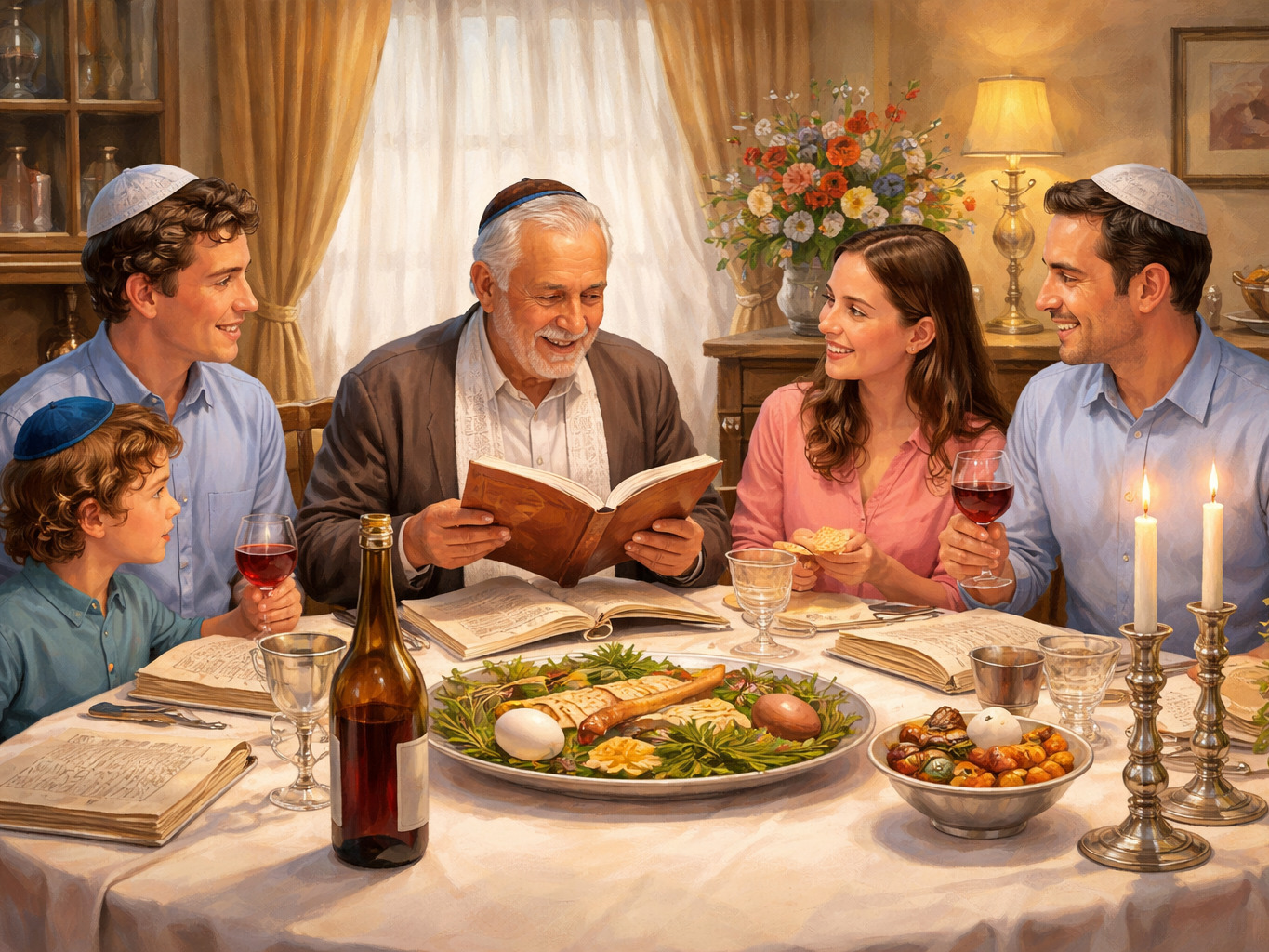
A Seder table fills with family and friends. Candles glow. A child prepares for Ma Nishtana, and the room falls silent. A gentle intro sets the mood. The melody flows smoothly. When the music supports the moment, everyone can listen, sing, and feel the story come alive.
That’s where backing tracks help during Passover. In Spring 2026, the first Seders will be at sundown on Wednesday, April 1, so most rehearsals and school lessons will happen in March Hebcal. A steady, well-planned track can teach the tune at home, in class, or at community events. It keeps the tempo steady for cumulative songs, offers authentic sounds, and gives leaders clear starts and endings. The goal is simple: let the ritual lead, and let the track make it easy to join in.
Passover music includes many styles. Ma Nishtana is often sung by a child. This song sits in the Ahavah Rabbah or Freygish mode, giving it a warm and questioning feel. Dayenu is bright and easy to sing along to, with many short verses. Adir Hu is strong and strophic, full of lines about building. Echad Mi Yodea and Chad Gadya stack verses and can feel like a fun race if you choose to speed up. Morning Hallel adds praise tunes that vary by community. A good track doesn’t flatten these colors; it frames them.
Planning by Song
For a child-led Ma Nishtana, choose a key that keeps the top note near E4 to F4 for ages six to ten. Include a count-in and leave space for a natural rubato on the first question. Some families prefer a guide vocal for learning, then a version without vocals for the Seder itself. For Dayenu, a tempo around 112 to 128 BPM keeps energy without rushing the Hebrew. Set up a clear two-bar intro so everyone can enter together and add a small one-bar pause between verses. This gap helps late joiners. Adir Hu works well around 96 to 112 BPM. Shape a clean two-bar intro and end with a cadence that can hold a fermata if the table wants to savor the last line. For Echad Mi Yodea and Chad Gadya, you can start around 96 to 108 BPM. Some groups enjoy a slight tempo lift each verse, about two to four percent, to raise excitement. Others prefer a steady setting for clarity. Offer both options.
Choosing Instrumentation
Texture matters too. Many Ashkenazi communities enjoy klezmer colors like clarinet, violin, and accordion. Mizrahi and Sephardi families may prefer oud, qanun, or nylon guitar, paired with darbuka or riq. If you plan to serve a mixed group, prepare two mixes so everyone can hear their familiar sound. For examples of accompaniment palettes and instrumentation that match Jewish repertoire, check out the Jewish options in our collection at Spiritrax.
Observing Custom and Law
Because Jewish law and customs vary, plan where tracks will be used. Many Orthodox communities avoid instruments and electronics on Yom Tov. In those cases, tracks can shine in March rehearsals, school model Seders, concerts, and Chol Hamoed programs. Some non-Orthodox communities allow structured playback or streaming with rabbinic guidance. Always check with your local rabbi or ritual team to set clear rules, like offline playback and no last-minute editing during the service Rabbinical Assembly.
Setting Up for Success
Small rooms need careful sound. Aim for a conversational level, about 70 to 75 dB at the table, so that human voices are the focus. Place a small speaker at ear height, slightly off-center from the table to avoid harsh reflections. Do a quick sound check with a few singers before guests arrive. If you plan to move from song to song, build a playlist in order. Add two endings to each track. One should stop on a clean cadence when the leader gives a cue. The other can have a big tag with a gentle slow-down, allowing you to match the room's mood.
Lyrics and access shape participation. Print or display Hebrew, transliteration, and translation. Use a clear system for the Hebrew sound and pick a pronunciation style that matches your community. Keep it consistent across tracks. For call-and-response, mark leader lines in bold and group lines in regular type. In a classroom, start with a guide-vocal mix, then fade to a version without vocals by the end of the week. This reflects how young singers gain confidence with Ma Nishtana and then perform it on Seder night.
Key and Range Considerations
Keys and ranges can make or break participation. Offer two to four keys for each song so families, schools, and synagogues can choose what fits best. In mixed groups, you can place Dayenu a step lower than the common version, helping both adults and children share the melody. For deeper prep on pacing and entrances, see our rehearsal notes. For event flow ideas, you may also check our planning guide here. While these posts cover general rehearsal craft, the focus here is on Passover repertoire and child-led solos.
Building Inclusive Celebrations
Passover involves many people. A Pew study found that approximately 70% of U.S. Jews took part in a Seder last year, making it one of the most observed Jewish rituals in America Pew Research Center. When we lower barriers—steady tempo, friendly keys, and clear cues—we open the door for more voices at the table. Backing tracks are not the center but a tool that helps families, students, and guests sing with ease.
Rights and Credits
Remember rights and credits too. Many Seder tunes are traditional and public domain. Still, some favorite versions might be modern and copyrighted. If you plan to record or stream your event, confirm permissions and credit the arranger. Prepare your files offline to avoid issues mid-service. If electronics are allowed, have one person handle playback so the leader can focus on the table.
In the end, great Passover music tells a story. When the first notes of Ma Nishtana sound calm and sure, a child feels brave. When Dayenu keeps a steady beat, the room laughs and sings together. When Echad Mi Yodea ends with a strong close, everyone breathes and smiles. Careful use of backing tracks can help you reach those moments with attention to custom, room, and voice. This thoughtfulness turns songs into a shared celebration in Spring 2026 and beyond.
Get Passover-ready: explore Jewish accompaniment with guide vocals, multiple keys, and flexible forms for Ma Nishtana, Dayenu, and more.
Get the Jewish Backing Track Album